PhD Opportunities in Community Ecology (Marine and Coastal Systems)
Supervisor: Dr Lynette Loke
About the research
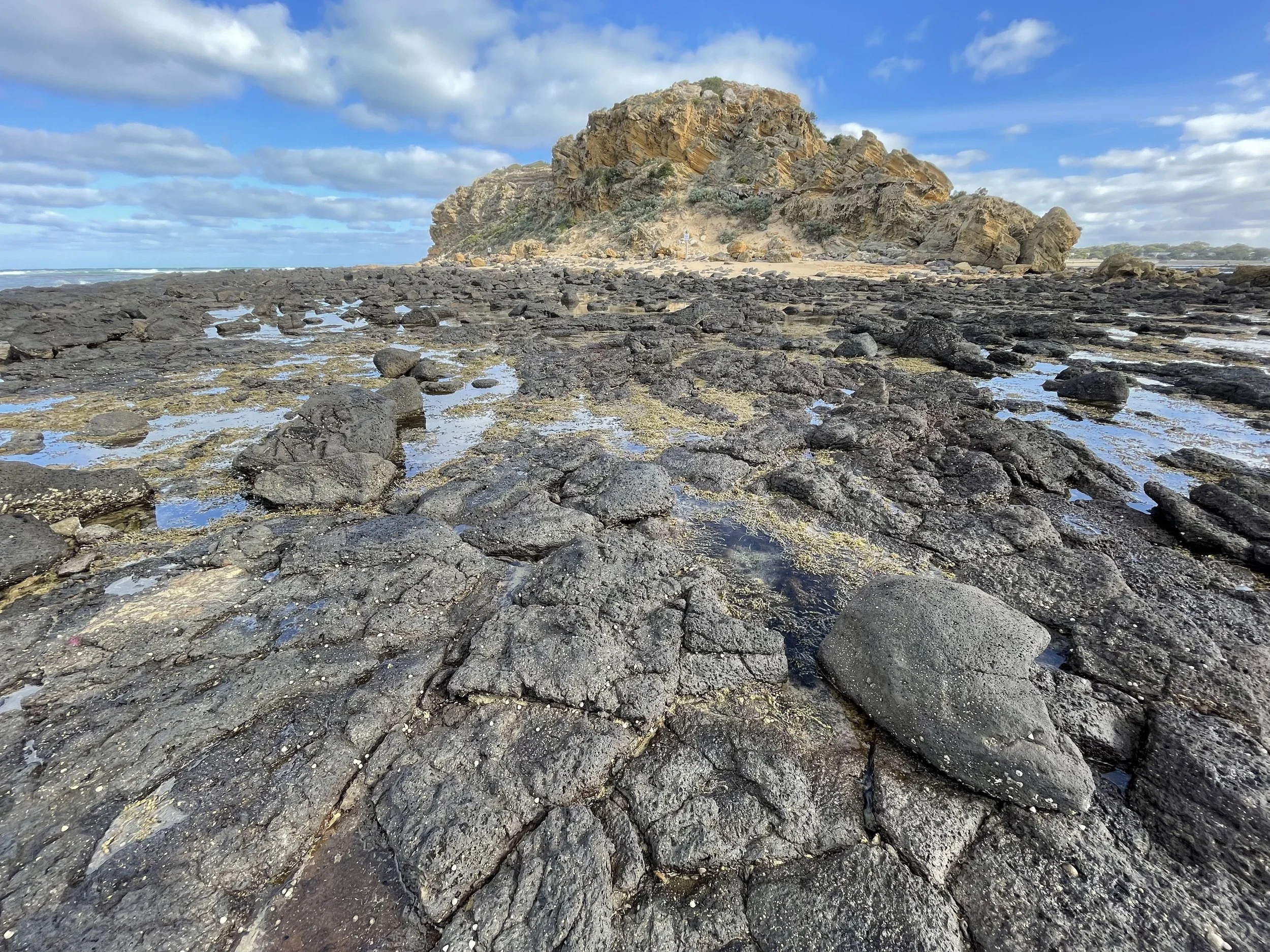
I am seeking motivated PhD students to join my research group at the University of Melbourne, working across community ecology, spatial ecology, and marine systems. Our research focuses on understanding the assembly rules that govern biodiversity, integrating field-based experiments, quantitative analysis, and theoretical approaches. We are particularly interested in how ecological communities are structured across space, and how these processes can be understood and predicted. Projects contribute to a broader research program that integrates empirical data with ecological theory and modelling, with much of our work based in coastal and intertidal ecosystems.
Projects typically involve one or more of the following components:
Designing and implementing field-based studies in coastal and intertidal systems
Analysing ecological data using statistical and quantitative approaches
Developing and evaluating explanations for observed patterns in biodiversity
Linking empirical results to ecological theory
Extending insights from community ecology to applied questions, where appropriate
Requirements
I am particularly interested in working with students who:
Have a background in ecology, environmental science, or a related field
Are comfortable working with data and quantitative approaches (e.g., R)
Are interested in linking empirical data to ecological theory
Are willing to engage in field-based work in coastal and intertidal environments
Are motivated to develop and pursue their own research ideas
Prior experience in marine systems is welcome but not required.
How to apply
Applications and enquiries should be sent to Dr Lynette Loke (lynette.loke@unimelb.edu.au) and include:
a brief statement outlining your research interests and relevant experience, including contact details for two referees (one of whom should be a previous research supervisor)
your CV (including academic transcripts or equivalent results)
Please submit both as separate PDFs.